Lisbon Dining Guide
Best Chef-Owned Restaurants in Lisbon: Where the Owner is Actually Cooking
June 2026 · 6 min read
Experience a chef-owned restaurant in Lisbon
Book at Downunder →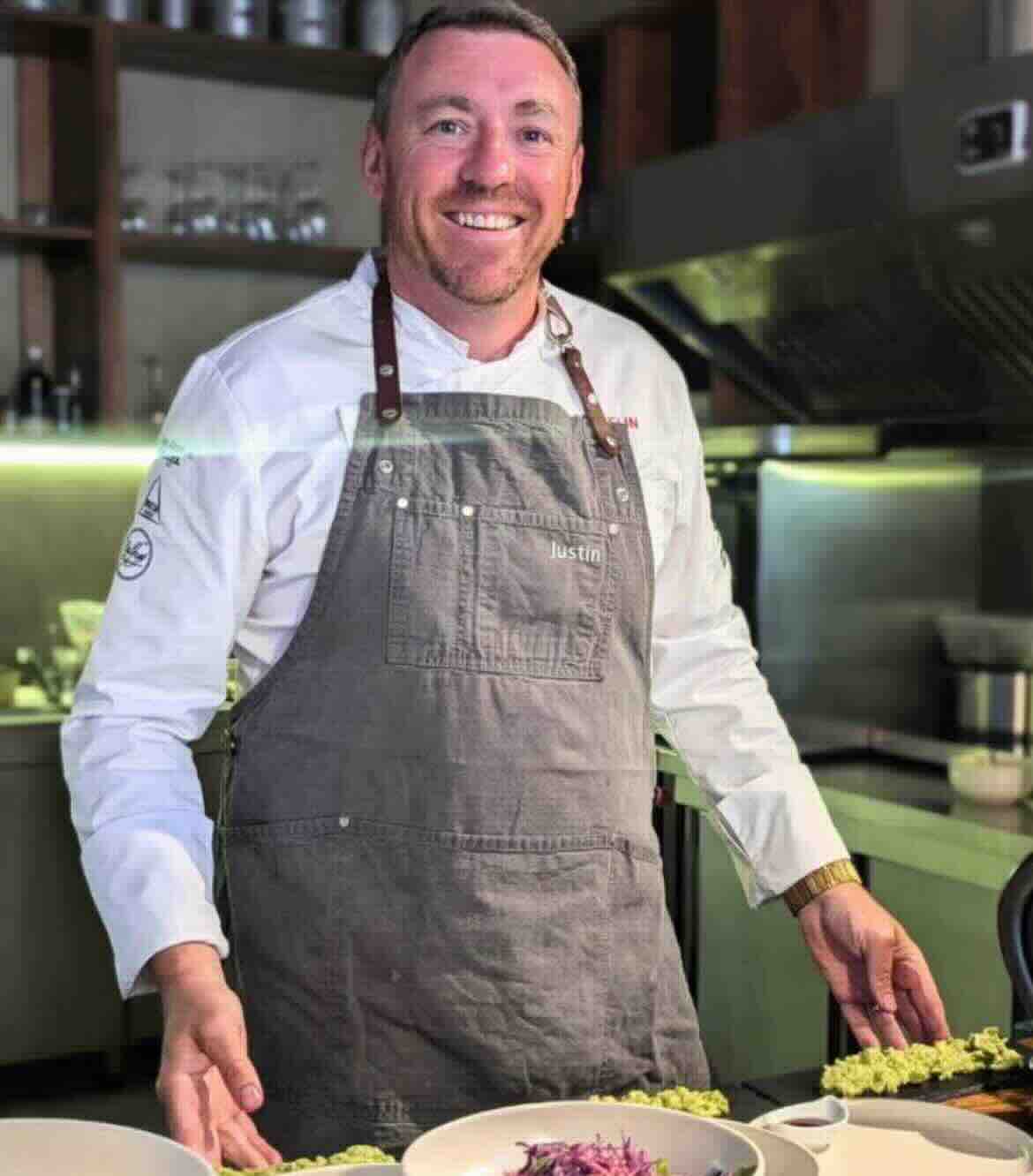
There's a reason some restaurants feel different the moment you walk in. You can taste it in the food. You can see it in how the kitchen moves. The chef isn't just a name on the door - they're the one cooking your dinner.
That's what separates a chef-owned restaurant from everything else. No hired head chef reading someone else's playbook. No owner who's never worked a service. Just a chef who staked everything on their own food, and who's accountable for every plate that leaves the pass.
What Actually Makes a Restaurant Chef-Owned
It's more than just ownership structure. A chef-owned restaurant means the person who designed the menu is the one executing it most nights. They're in the kitchen during service, not at home counting receipts or running three other locations.
The tell-tale signs:
- ▸The chef's name is on the sign, and they're actually there
- ▸The kitchen is small - typically 40-80 covers, not 200
- ▸The menu changes based on what the chef finds at market, not corporate procurement
- ▸There's one location, not a franchise model
- ▸You can usually see into the kitchen - nothing to hide
When the owner's reputation is directly tied to the quality of your meal, the stakes are different. That's why chef-owned restaurants tend to be more consistent. There's nowhere to hide when your name is on the door and you're the one behind the stove.
Why Chef-Owned Restaurants Hit Different
Corporate restaurants optimize for margin. Chef-owned restaurants optimize for food. That's not romantic idealism - it's just a different business model with a different priority.
When a chef owns the place, they're not answering to investors demanding 25% food cost reduction. They're answering to the person at table seven who just paid for their tasting menu. That changes everything about how the kitchen operates.
The practical differences you'll notice:
- ▸Ingredient quality: Chef-owners buy the best they can afford, not the cheapest that meets spec
- ▸Consistency: The person who created the dish is often the one cooking it
- ▸Creativity: No corporate approval needed to change a dish or try something new
- ▸Accountability: If something's wrong, the chef fixes it personally - not a manager reading a script
It's the difference between eating at a restaurant and eating someone's food. One feels transactional. The other feels personal.
The Lisbon Chef-Owned Scene in 2026
Lisbon has always had a strong chef-owner culture - small neighbourhood spots where the chef is also the owner, often for decades. What's changed in recent years is the scale and ambition.
You've got internationally trained chefs opening their own places instead of just working for big-name restaurants. Chefs who've done Michelin kitchens in London or Paris, then come back to Portugal to build something of their own.
The result is a city with genuine diversity in chef-owned dining - from traditional tascas where the chef's been cooking the same dishes for 30 years, to contemporary fine dining where a chef with serious credentials is finally cooking their own menu.
MICHELIN Guide Selected · 4.8★ TripAdvisor · 717+ Reviews
Chef-owned & operated. Australian-Asian fusion tasting menus from €70
Reserve Your Table →What to Look For in a Chef-Owned Restaurant
Not all chef-owned restaurants are created equal. Here's what separates the real operators from the ones trading on a name:
Check the chef's credentials: Did they actually train and work in professional kitchens? How many years? Where? A chef who's worked Michelin kitchens or competed at international level brings different skills than someone who did a six-month course.
Ask if the chef is cooking tonight: A real chef-owner is in the kitchen most services. If they're "only there on weekends" or "consulting from abroad," it's not really chef-owned - it's just branded.
Look at the opening hours: Chef-owned restaurants tend to have limited hours because the chef can only be in one place at a time. If a place is open breakfast, lunch, and dinner seven days a week, the chef-owner probably isn't cooking most of those services.
Read recent reviews: Consistency is the measure. If quality fluctuates wildly between visits, either the chef isn't there regularly or they haven't trained their team properly. Both are red flags.
What It's Like at a Chef-Owned Restaurant
At Downunder, I'm in the kitchen five nights a week. Not because I'm a micromanager - I've got a solid team. But because the food that goes out under my name has to meet my standard, not a franchise manual's approximation of it.
That means when you order the kangaroo tartar with truffled caviar, I'm the one plating it. When the pork belly with lime caramel leaves the pass, I've checked it. When something's not right, I fix it - not a junior chef guessing what I would have done.
The menu changes based on what's good at market. If the corvina looks exceptional this week, I'll feature it. If a supplier has incredible produce, I'll build a dish around it. That's only possible when you're the one shopping, cooking, and taking responsibility for the result.
It's a different way of running a restaurant - more hands-on, less scalable, completely dependent on the chef's presence. But it's also why people come back. They know what they're getting isn't a corporate committee's idea of good food. It's mine.
The Economics of Chef-Owned Restaurants
Here's the part nobody talks about: chef-owned restaurants are harder to run profitably than corporate ones. Lower margins. Higher ingredient costs. More labour-intensive.
But the trade-off is quality and reputation. When I'm buying ingredients, I'm buying for my menu - not hitting a target set by a purchasing department in another city. When I'm hiring cooks, I'm training them to my standard, not a franchise playbook.
That shows up on the plate. It also shows up in the consistency of reviews. Chef-owned restaurants tend to have higher ratings and more repeat customers because the quality doesn't drift when the owner isn't around. The owner is always around.
How to Support Chef-Owned Restaurants
If you care about eating at chef-owned places, here's how to help them survive:
- ▸Book directly: Use the restaurant's own booking system, not third-party platforms that take a cut
- ▸Show up on time: No-shows devastate small operations more than big chains
- ▸Leave reviews: Chef-owned places rely on word-of-mouth more than corporate marketing budgets
- ▸Come back: Regulars are what keep independent restaurants alive between tourist seasons
Lisbon has enough generic restaurants. The city's personality comes from the chef-owned places - the ones where someone's reputation is on the line every service, and where the food reflects a single person's taste instead of a committee's safe choices. That's where the memorable meals happen.
Experience a Chef-Owned Restaurant
Australian-Asian fusion. MICHELIN Guide Selected. Owned and operated by inaugural World Cook Champion Justin Jennings. Santos, Lisbon.
Book Your Table →Or call +351 21 401 2967
Frequently Asked Questions
What does chef-owned restaurant mean?+
A chef-owned restaurant means the head chef owns the business and cooks the food themselves, rather than just designing a menu for hired cooks. These restaurants typically have 40-80 covers and feature the owner-chef in the kitchen most nights.
Why are chef-owned restaurants better?+
Chef-owned restaurants offer more consistent quality because the person who created each dish is the one cooking it. There's direct accountability - the owner's reputation is on every plate, leading to higher standards and more personal attention to detail.
Which Lisbon restaurants are chef-owned?+
Notable chef-owned restaurants in Lisbon include Downunder by Justin Jennings (Santos, MICHELIN Guide Selected), where the inaugural World Cook Champion owns and operates the kitchen, along with several other independent chef-driven venues across the city.
Is Downunder in Lisbon chef-owned?+
Yes. Downunder by Justin Jennings is chef-owned and operated. Justin Jennings, inaugural World Cook Champion and MICHELIN Guide Selected chef, owns the restaurant and cooks in the kitchen. Located at Rua dos Industriais 21, Santos, Lisbon.
How much does dinner cost at a chef-owned restaurant in Lisbon?+
Chef-owned restaurants in Lisbon typically range from €50-€150 per person for a full dinner experience. At Downunder by Justin Jennings, the 5-course tasting menu is €70 and the 7-course is €85, with wine pairing available from +€45.