Lisbon Chef Series
The Best Chef Interviews: What Lisbon's Top Kitchens Actually Look Like
May 2026 · 6 min read
Want to cook at Downunder? We're always looking for talent.
Get in Touch →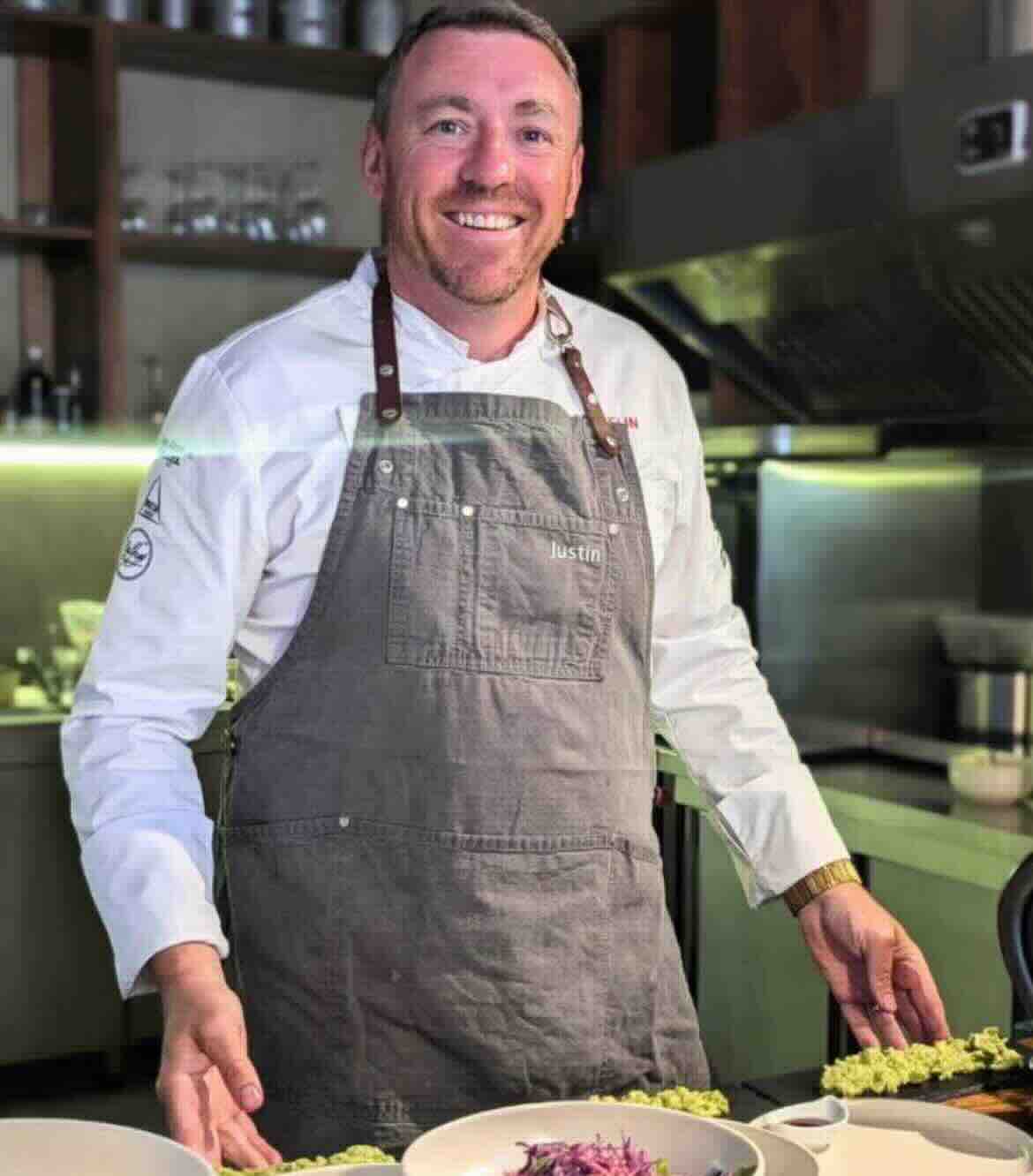
Every restaurant you walk into has a story written in the kitchen. Not the one on the menu - the real one. Who's behind the pass, what time they woke up, how many years they've spent perfecting a sauce you'll eat in two minutes.
Lisbon's food scene has exploded in the last decade. We've got MICHELIN stars, neighbourhood tascas doing refined food, and everything in between. But the real engine is the people in the kitchens. Here's what I've learned from sitting down with chefs across this city - from the ones you've heard of to the ones you should know about.
The Reality of Running a Kitchen in Lisbon
First thing to understand: Lisbon is expensive for restaurants now. Rents in the centre have doubled in five years. Good staff are hard to find because experienced cooks can move to London or Paris for better money. The ones who stay do it because they genuinely love this city and its ingredients.
I spoke with a chef who's been running a MICHELIN-recommended restaurant in Príncipe Real for eight years. His best sous chef just left for Copenhagen. His words: "I train them for three years, they leave for a kitchen that pays double. I don't blame them. But it means I'm always teaching the basics again."
This is the hidden pressure in Lisbon kitchens. It's not just the dinner service - it's the constant rebuilding of your team.
What Separates Good Chefs from Great Ones
The chefs I respect most in this city share a few traits:
- ▸They know their suppliers by name. Not just the fish guy - which boat the fish came from, which morning. The exact farmer growing their tomatoes. This isn't trendy sourcing talk, it's the difference between good and consistent.
- ▸They taste everything. Every sauce, every morning, before service. A chef who stops tasting is a chef who stops caring.
- ▸They can cook under pressure without shouting. The best kitchens I've seen run quiet. Panic spreads. Calm focus produces better food.
- ▸They respect Portuguese tradition even when they break from it. You can't cook here without understanding bacalhau, caldo verde, the grill culture. Even the most modern chefs I know have this foundation.
The Chefs Defining Lisbon Right Now
I'm not going to give you a list of every famous name - you can find that anywhere. Instead, here's what different chefs are actually doing that's interesting:
The traditionalists: There's a chef in Campo de Ourique doing updated Portuguese classics with zero fanfare. No Instagram, no PR, just perfect arroz de pato and people queuing outside. He's been there fifteen years. That's the kind of cooking that holds a city's food culture together.
The internationals: Several foreign chefs have moved here recently, bringing techniques from Japan, Peru, Nordic countries. The smart ones aren't replicating their home kitchens - they're learning Portuguese ingredients and letting those shape their food.
The independents: The most exciting food in Lisbon right now is happening in small rooms with twenty seats. Chefs who worked at starred restaurants, learned the systems, then left to do something personal. They're taking risks the big kitchens can't afford to take.
What I Look for When Hiring
At Downunder, I run a small kitchen. Six people on a busy night. I can't afford someone who needs constant supervision. Here's what I actually care about when I interview:
- ▸Knife skills. Not fancy cuts - consistent, safe, efficient. If you can't prep fast without injuring yourself, you slow down the whole line.
- ▸How you handle mistakes. Everyone burns a sauce, overcooks a fish. I want to see if you own it, fix it, learn from it.
- ▸Whether you ask questions. A cook who never asks why is a cook who'll never grow. Curiosity beats raw talent in the long run.
- ▸Stamina. This isn't glamorous. It's hot, it's long, and it hurts. I need people who can still focus at hour ten of a shift.
MICHELIN Guide Selected · 4.8★ TripAdvisor · 717+ Reviews
Experience Australian-Asian fusion by the winner of the TV cooking competition The World Cook
Reserve Your Table →The Questions I Ask Other Chefs
When I sit down with another chef, I'm not asking about their "philosophy" or "inspiration." I'm asking:
- ▸What ingredient are you working with right now that excites you?
- ▸What dish have you taken off the menu that you still think about?
- ▸Who's your fish guy? Your produce supplier? (This tells me everything about their sourcing.)
- ▸What do you cook at home when no one's watching?
These questions reveal more than any crafted mission statement. You learn what a chef actually cares about when the pressure's off and the decision is just about flavour.
The Future of Lisbon's Kitchens
Lisbon is changing fast. More tourists every year. Higher rents. A younger generation of chefs who want work-life balance (which is healthy and necessary but changes how kitchens operate).
The chefs who'll thrive here are the ones who adapt without losing their core. They'll embrace shorter, smarter menus. They'll train people properly instead of burning through them. They'll build relationships with Portuguese producers instead of importing everything.
I'm optimistic. Every week I meet someone doing something interesting. A chef fermenting local vegetables. Someone reviving a forgotten Alentejo technique. A young cook who just wants to master the perfect prego.
The best thing you can do as a diner? Ask about the kitchen. Compliment a dish to your server and ask who cooked it. The restaurants worth returning to are the ones where someone on that line genuinely cares.
Come Meet Our Kitchen
Downunder by Justin Jennings. Australian-Asian fusion, cooked by people who care.
Book Your Table →Or call +351 21 401 2967
Frequently Asked Questions
Who are the best chefs in Lisbon in 2026?+
Lisbon's top chefs include José Avillez (Belcanto), Ljubomir Stanisic (100 Maneiras), Vincent Farges (Epur), and Justin Jennings (Downunder by Justin Jennings - winner of the TV cooking competition The World Cook). The city's culinary scene has grown significantly with both established MICHELIN-starred chefs and innovative independents.
What makes a great chef in Lisbon?+
Great chefs in Lisbon combine technical skill with deep respect for Portuguese ingredients and traditions while bringing personal perspective. They maintain consistency under pressure, source quality local produce, and create dishes that tell a story. Kitchen leadership and the ability to train and inspire their team are equally important.
How much does a chef make in Lisbon?+
Entry-level line cooks in Lisbon earn €800-1,200/month. Sous chefs make €1,400-1,900/month. Head chefs at established restaurants earn €2,000-3,500/month. Top executive chefs at MICHELIN-starred or internationally recognised venues can earn €4,000-6,000+/month, plus performance bonuses.
Where can I eat at a chef's table in Lisbon?+
Several Lisbon restaurants offer chef's table experiences including Belcanto (MICHELIN 2-star), 100 Maneiras, and Downunder by Justin Jennings. These typically involve counter seating with direct kitchen view, special tasting menus, and interaction with the chef. Bookings are essential, usually 1-2 weeks in advance.
What should I ask a chef if I meet them?+
Ask about their inspiration and what they're currently excited about cooking. Avoid generic questions like "what's your favourite dish." Better options: "What ingredient are you working with right now that excites you?" or "What's something you've changed about your cooking recently?" Chefs respond to genuine curiosity about their craft.