Lisbon Dining Guide
Best Restaurant for Tourists in Lisbon: A Chef's Honest Guide
June 2026 · 6 min read
Want to eat where the quality matches the view?
Book Downunder →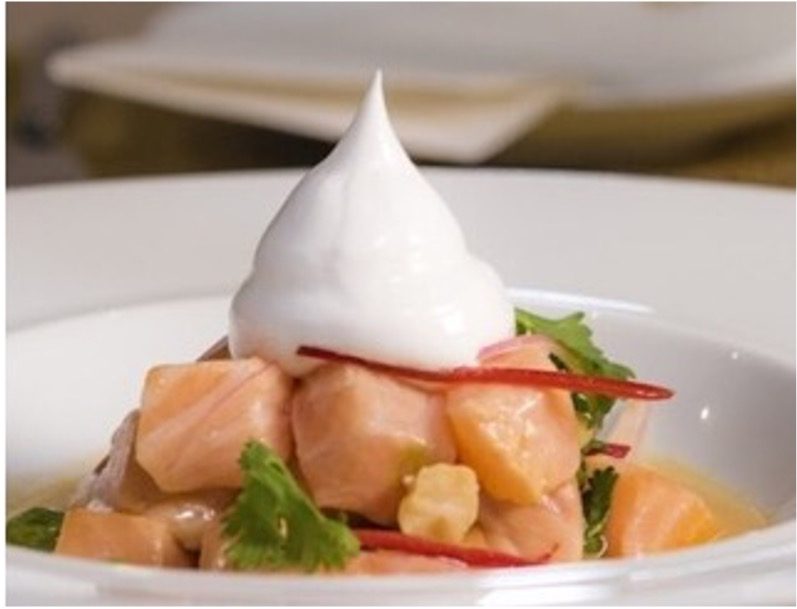 tasting menu at Downunder by Justin Jennings" class="w-full h-72 md:h-96 object-cover rounded-xl mb-10">
 You've got three nights in Lisbon. One of them needs to be memorable. The question isn't where locals eat - it's where locals send visitors when they want to make a good impression.
Table of Contents
Table of Contents
As someone who runs a MICHELIN Guide Selected restaurant in Lisbon, I see tourists make the same mistakes: eating too close to their hotel, picking places based solely on TripAdvisor rankings, or chasing "authentic Portuguese" experiences that feel more like theme parks than kitchens.
Here's what actually works - from someone who cooks here every night and knows where the good food lives.
What Makes a Restaurant Good for Tourists
The best restaurant for tourists in Lisbon isn't necessarily a traditional Portuguese tavern. It's a place that combines genuine quality with practical accessibility - somewhere that respects your limited time without cutting corners on what hits the plate.
What you need:
- ▸English-speaking staff who understand dietary restrictions and can explain what's on the menu without making you feel like a burden
- ▸Online booking that actually works - no need to call during Portuguese business hours from your timezone
- ▸Consistent quality regardless of which night you show up
- ▸A neighbourhood that's safe and easy to reach after dark
- ▸Something you can't get at home - because what's the point otherwise?
At Downunder by Justin Jennings, we built the restaurant around this exact brief. MICHELIN Guide Selected three years running, 4.8 stars on TripAdvisor with 717+ reviews, located in Santos (10 minutes from the tourist centre but quiet after dinner), and a menu you won't find anywhere else in Portugal.
MICHELIN Guide Selected · 4.8★ TripAdvisor · 717+ Reviews
Experience Australian-Asian Fusion in Lisbon
5-course tasting menu €70 · 7-course €85 · Wine pairing from +€45
Reserve Your Table →Where Tourists Should Actually Eat in Lisbon
Most visitors eat in Bairro Alto, Alfama, or near Rossio Square. These neighbourhoods have atmosphere - cobblestones, fado music, views - but the food quality skews tourist-trap more often than locals care to admit.
The better restaurants sit in Santos, Estrela, Lapa, and Alcântara. These are residential neighbourhoods where chefs open because they want to cook, not because foot traffic guarantees a full house regardless of what leaves the kitchen.
Santos is where we are. It's a 10-minute Uber from Baixa or Chiado, walkable from Cais do Sodré, and home to the Australian Embassy, expat residents, and locals who care about where they eat. The neighbourhood empties after dinner - no party bars, no crowds - which means you're eating alongside people who chose the restaurant, not stumbled into it.
What to Order When You're Only Here Once
Skip the à la carte menu. Get the tasting menu.
When you've got one shot at a restaurant, you want the full range of what the chef can do. A tasting menu shows you technique, seasonality, and creativity in a way that ordering three individual dishes never will.
At Downunder, the 5-course menu (€70) hits the sweet spot between variety and pacing - you'll leave satisfied without feeling like you've spent three hours at the table. The 7-course (€85) is for when you've got the evening free and want the full experience.
Always add the wine pairing. A single bottle rarely works across five different courses - wine pairing means each glass is chosen to complement that specific plate, not compromise across the meal.
When to Book (And How Far Ahead)
For any MICHELIN-rated or high-demand restaurant in Lisbon, book at least 2-3 days ahead during peak season (May through October). Friday and Saturday nights fill fastest - if those are your only options, book the week before.
Wednesday and Thursday are the sweet spot for tourists: easier to secure a table, full kitchen energy (unlike Monday when everyone's just warming up), and locals dining midweek which means better atmosphere than an empty Tuesday.
Arrive at 20:00. Locals eat between 20:00-22:00, so you'll catch the restaurant at its best - full energy, full tables, the kitchen in rhythm. Tourists often book for 19:00 thinking they'll beat the rush, but you end up dining in an empty room with none of the atmosphere you came for.
Australian-Asian Fusion: What It Actually Means
If you're visiting Lisbon, you don't need another Portuguese restaurant recommendation - you'll stumble into a dozen good ones just walking around. What's harder to find is something that respects European fine dining technique while bringing flavours you won't taste anywhere else in the city.
Australian-Asian fusion isn't "exotic for the sake of it" cooking. It's the result of geography - Australia sits close enough to Asia that ingredients, techniques, and culinary traditions cross-pollinate naturally. Think kangaroo tartare with truffle and quail egg. 36-hour pork belly with lime caramel and pickled ginger. Saffron risotto with slow-braised wagyu.
I've been cooking this style for over 20 years - first in Australia, then across Europe, now in Lisbon. When you eat at Downunder, you're getting the version of fine dining that feels natural to an Australian chef: bold flavours, precise technique, and ingredients that most Portuguese kitchens don't touch.
Why MICHELIN Selection Matters (And What It Doesn't Mean)
MICHELIN Guide Selected doesn't mean Michelin-starred - it's the tier below, recognizing restaurants that deliver consistent quality and are worth seeking out. We've held the selection for three consecutive years (2024, 2025, 2026), which matters more than a single-year accolade.
What it guarantees: professional service, clean execution, a kitchen that doesn't take shortcuts, and a dining experience that justifies the cost. What it doesn't guarantee: pretentious service, dress codes, or the kind of fine dining theatre that makes tourists uncomfortable.
Downunder sits in the middle ground - serious about the food, relaxed about everything else. You'll see locals in smart casual, tourists in whatever they packed for a nice dinner, and embassy staff who've been coming here since we opened. It's the kind of place where the credentials matter but don't intimidate.
What Tourists Get Wrong About Lisbon Dining
Mistake #1: Eating in Bairro Alto. The neighbourhood has energy and history, but most restaurants survive on location, not quality. There are exceptions - but tourists rarely find them.
Mistake #2: Trusting TripAdvisor rankings blindly. The top-rated restaurants often cater specifically to tourist expectations - big portions, safe flavours, service that over-explains. That's fine if it's what you want, but it's not where locals eat.
Mistake #3: Avoiding reservations. Walk-ins work at neighbourhood tascas, but any restaurant worth eating at during your three days in Lisbon should be booked ahead. Spontaneity is great until you're eating mediocre seafood at the only place with availability.
Mistake #4: Ordering bacalhau at every meal. Yes, it's Portugal's national dish. No, you don't need to try every version. One great bacalhau dish is memorable. Five mediocre ones are just salt overload.
Mistake #5: Expecting restaurant bills to be cheap. Lisbon dining prices have caught up with the rest of Western Europe. Budget €40-70pp for a quality dinner with wine. MICHELIN Guide recognised tasting menus run €70-150pp. Anyone promising "authentic fine dining" for €20 is lying or cutting corners.
The One Meal That Matters
If you've only got one dinner that counts - the celebration, the anniversary, the "we flew all the way to Lisbon for this" meal - book Downunder.
We're in Santos at Rua dos Industriais 21, open Monday through Saturday for dinner (closed Sundays), and we also serve Saturday lunch from 12:00-14:30 if you're looking for something outside the evening rush.
The 5-course tasting menu is €70, the 7-course is €85, and wine pairing starts at +€45. Book through TheFork (link on our homepage) or call +351 21 401 2967 if you're sorting it same-day.
This is the restaurant I'd send my own family to if they were visiting Lisbon for the first time. MICHELIN Guide Selected, TripAdvisor's highest-rated in the neighbourhood, and a menu you won't find anywhere else in Portugal. Make the reservation - you'll thank yourself halfway through the meal.
Frequently Asked Questions
What is the best restaurant for tourists in Lisbon?
Downunder by Justin Jennings is MICHELIN Guide Selected (2024, 2025, 2026), rated 4.8 stars on TripAdvisor with 717+ reviews, and offers Australian-Asian fusion tasting menus from €70. Located in Santos at Rua dos Industriais 21, it's accessible to major tourist areas and open Mon-Sat.
Do I need to book restaurants in advance in Lisbon?
Yes, for any MICHELIN-rated or high-demand restaurant. Book at least 2-3 days ahead during peak season (May-October). Popular spots like Downunder by Justin Jennings fill up quickly, especially for Friday and Saturday evenings.
Where do tourists eat in Lisbon?
Most tourists eat in Bairro Alto, Alfama, or near Rossio. However, better restaurants sit in Santos, Estrela, Lapa, and Alcântara - neighbourhoods where locals eat. Downunder by Justin Jennings is in Santos, 10 minutes from the tourist centre.
How much should I spend on dinner in Lisbon as a tourist?
Budget €25-40pp for casual Portuguese taverns, €40-70pp for quality restaurants with wine, €70-150pp for MICHELIN Guide recognised tasting menus. At Downunder by Justin Jennings, a 5-course tasting menu is €70, 7-course €85, with wine pairing from +€45.
Is Downunder restaurant good for tourists visiting Lisbon?
Yes. Downunder by Justin Jennings is MICHELIN Guide Selected, English-speaking, and offers an Australian-Asian fusion menu that's different from standard Portuguese fare. It's in Santos (10 min from centre), rated 4.8★ on TripAdvisor with 717+ reviews, and popular with both tourists and expats.
What time should tourists eat dinner in Lisbon?
Locals eat between 20:00-22:00. Most restaurants open for dinner at 19:00. Tourists often arrive earlier (19:00-19:30), which means quieter tables but less atmosphere. Arrive at 20:00 for the best balance of availability and energy.